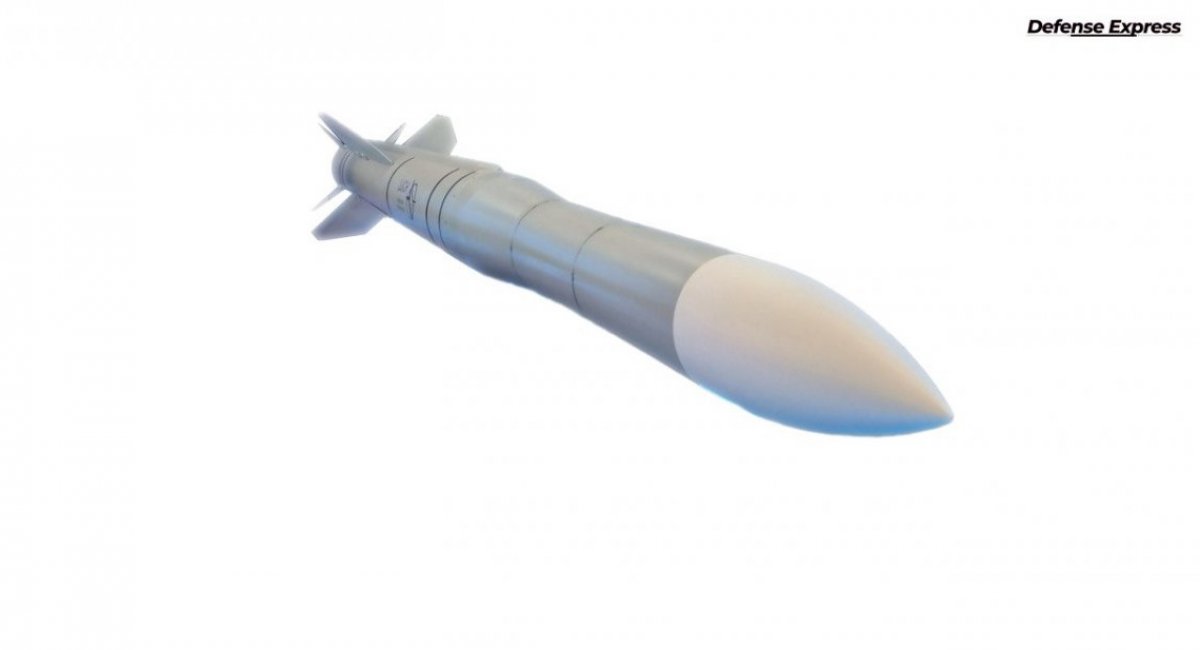
The appearance of the Koral surface-to-air missile from Ukraine's Luch State Design Bureau at MSPO 2026 in Poland naturally attracted considerable attention, particularly because the missile is advertised as being capable of engaging ballistic targets. The key question, however, is how exactly it is supposed to do so, as this determines its effectiveness against such threats.
It is important to note that this is not the first public appearance of the Koral. The missile was first shown at the Arms and Security exhibition in 2021. Even then, it was presented as being capable of engaging not only aerodynamic targets, such as aircraft and cruise missiles, but also tactical ballistic missiles.
Read more: Neptune, Stugna-P, Vilkha, Koral Could Be Upgraded Through Cooperation Between Diehl Defence, Luch, Fire Point
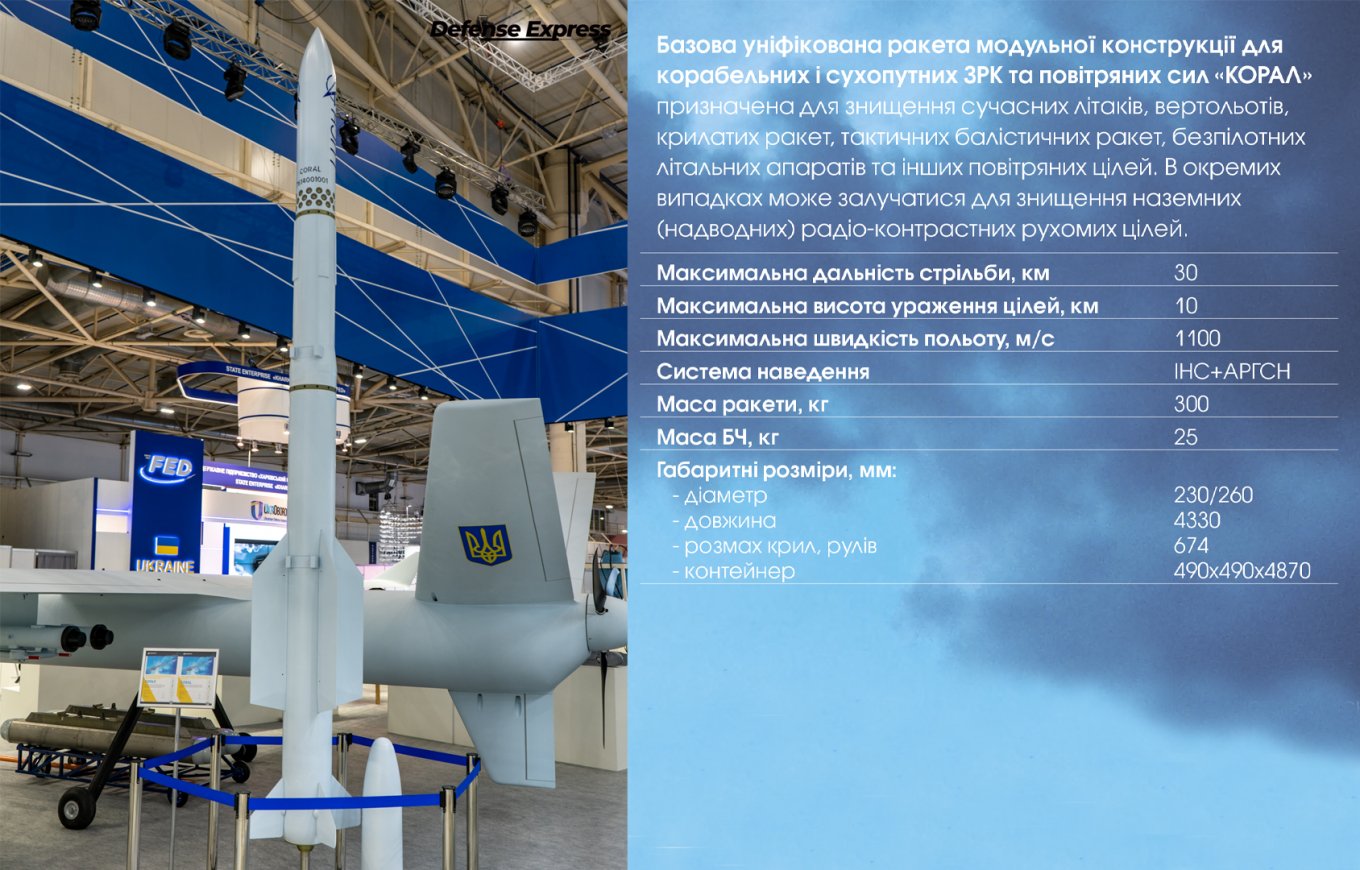
Over the five years between the two public displays, the missile's specifications have changed significantly. Its weight has increased from 300 kg to 450 kg, a 50% increase. Its dimensions have also changed substantially. Its length has grown from 4.33 meters to 4.8 meters, while its diameter has increased from 230/260 mm to 230/300 mm. These figures are consistent with the specifications published for the current version of the missile.
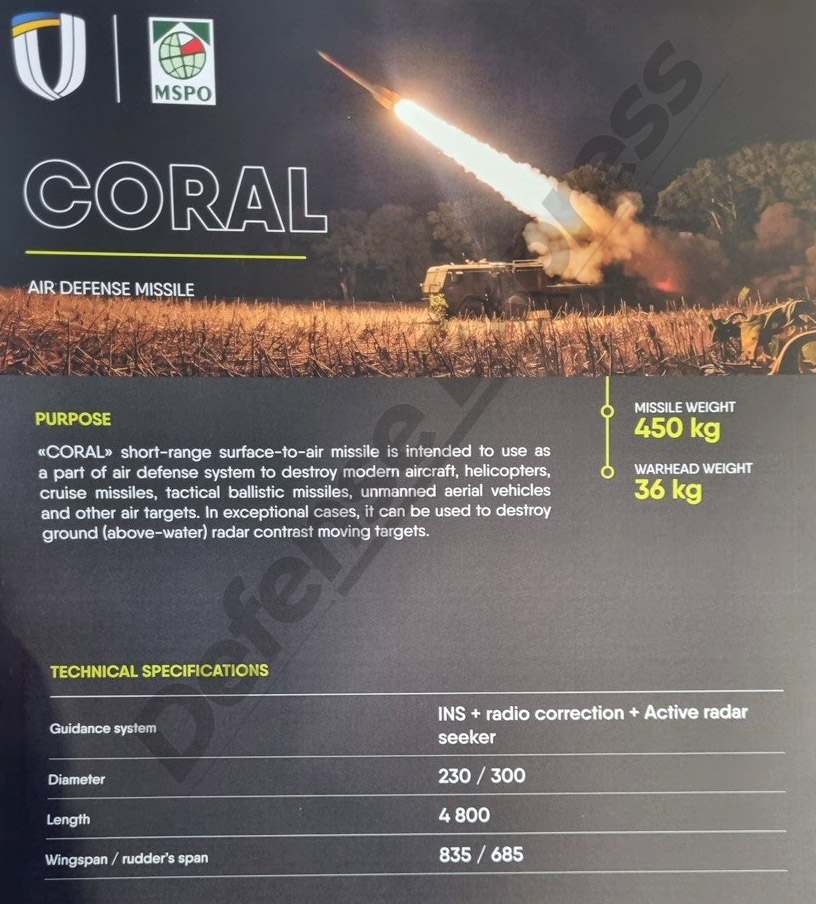
The latest published specifications do not state the Koral’s maximum engagement range or target altitude. However, given the increase in the missile's dimensions, it is reasonable to expect these parameters to have increased as well. The original specifications called for a maximum range of up to 30 km and an engagement altitude of up to 10 km.
At the same time, despite the increase in dimensions, the Koral remains without a ring of gas-dynamic control thrusters for lateral maneuvering. Such a system allows a missile to perform extremely aggressive maneuvers while generating very high accelerations. It is one of the technologies associated with interceptors designed for hit-to-kill engagements against ballistic targets. In such an engagement, the interceptor destroys the incoming missile through a direct collision, eliminating the threat in mid-air without relying on a conventional warhead.
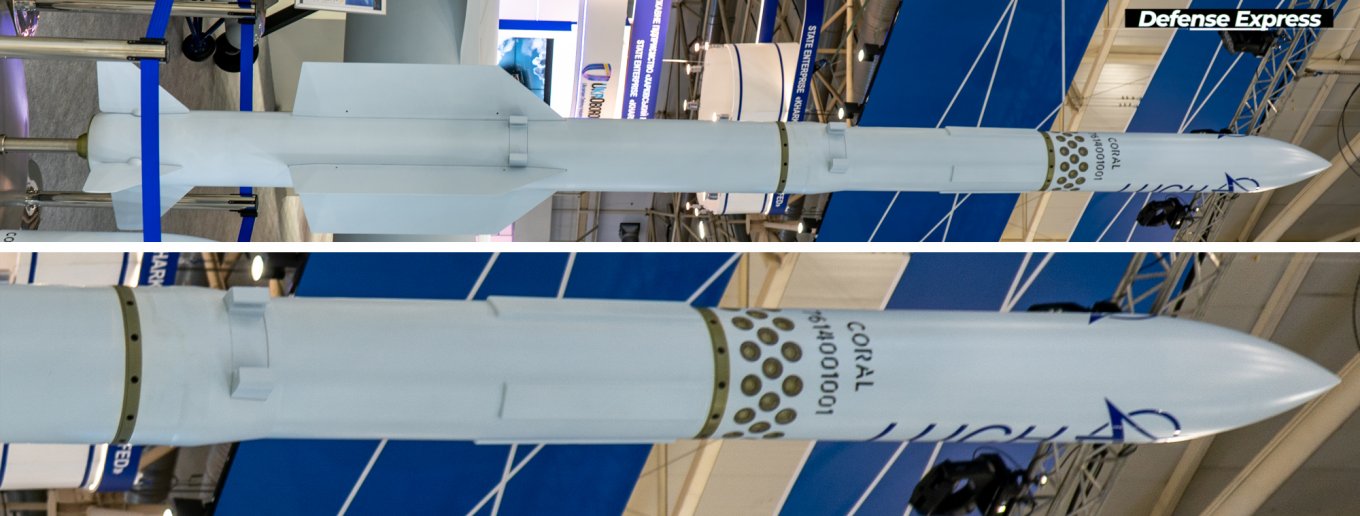
The Ukrainian Vilkha rocket also lacks such a gas-dynamic control system, although in its case it would primarily be used for trajectory correction and guidance rather than terminal interception. It is most likely that aerodynamic control surfaces are used instead.
As for the guidance system, it appears to have remained broadly similar, with an active radar homing seeker used during the terminal phase of flight. Moreover, the seeker manufacturer is likely unchanged, as the diameter of the Koral's forward section remains 230 mm. The currently published specifications confirm the use of an active radar seeker alongside inertial navigation and radio correction.
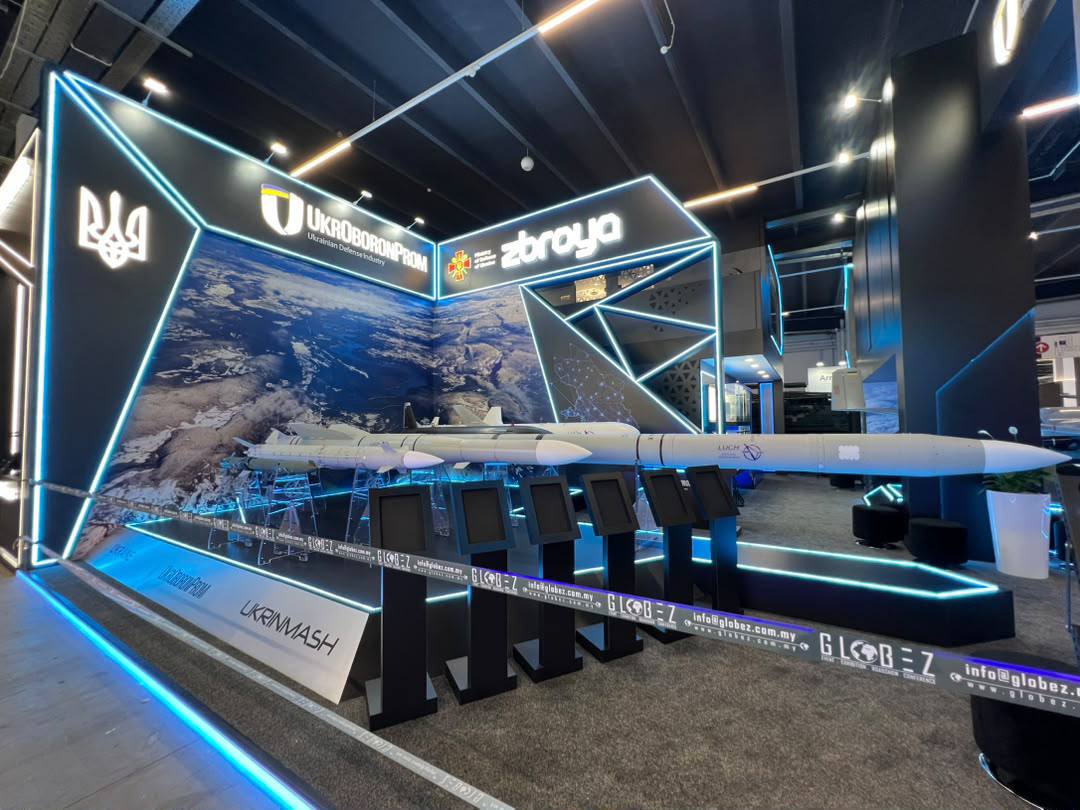
This suggests that, in terms of its approach to ballistic missile defense, the Koral is currently closer to the PAC-2 GEM-T than to the PAC-3 family. In other words, it appears to rely on proximity detonation and fragmentation to destroy a ballistic missile, rather than the hit-to-kill approach used by the PAC-3 MSE. PAC-2 GEM-T is specifically designed to improve Patriot's ability to engage ballistic and cruise missile targets, while the PAC-3 family uses direct kinetic interception.
However, the Koral is significantly smaller and lighter than the PAC-2 GEM-T. The latter has a launch weight of roughly 900 kg, with about 90 kg accounted for by its warhead. This makes the new PAC-3 ACE a potentially more relevant reference point.
PAC-3 ACE is currently under development as a lower-cost interceptor intended to be less than half the cost of the PAC-3 MSE. It retains an active radar seeker but simplifies several elements of the MSE design. Most importantly, it replaces the MSE's hit-to-kill approach with a blast-fragmentation warhead, while eliminating the MSE’s attitude-control motors. The missile is also being designed with a simplified seeker and a single-pulse rocket motor.
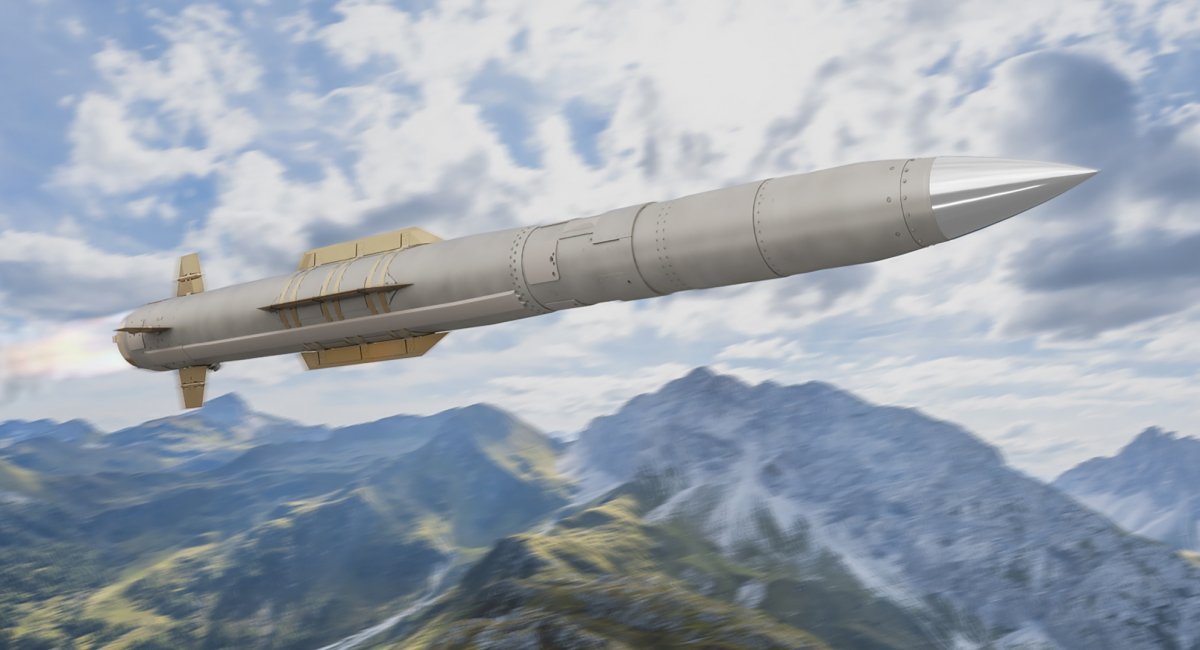
It has the same dimensions as the PAC-3 MSE, with a length of about 5.2 meters, a diameter of up to 300 mm, and a launch weight of around 370 kg (if the final configuration remains similar). Notably, the PAC-3 ACE, which will not have a hit-to-kill capability, also lacks a gas-dynamic control system but is equipped with an active radar seeker. This configuration, however, is precisely what could enable mass production without the production bottlenecks associated with the PAC-3 MSE.
Read more: Poland and Germany Compete for PAC-3 MSE Production – What Role Can Ukraine Play?