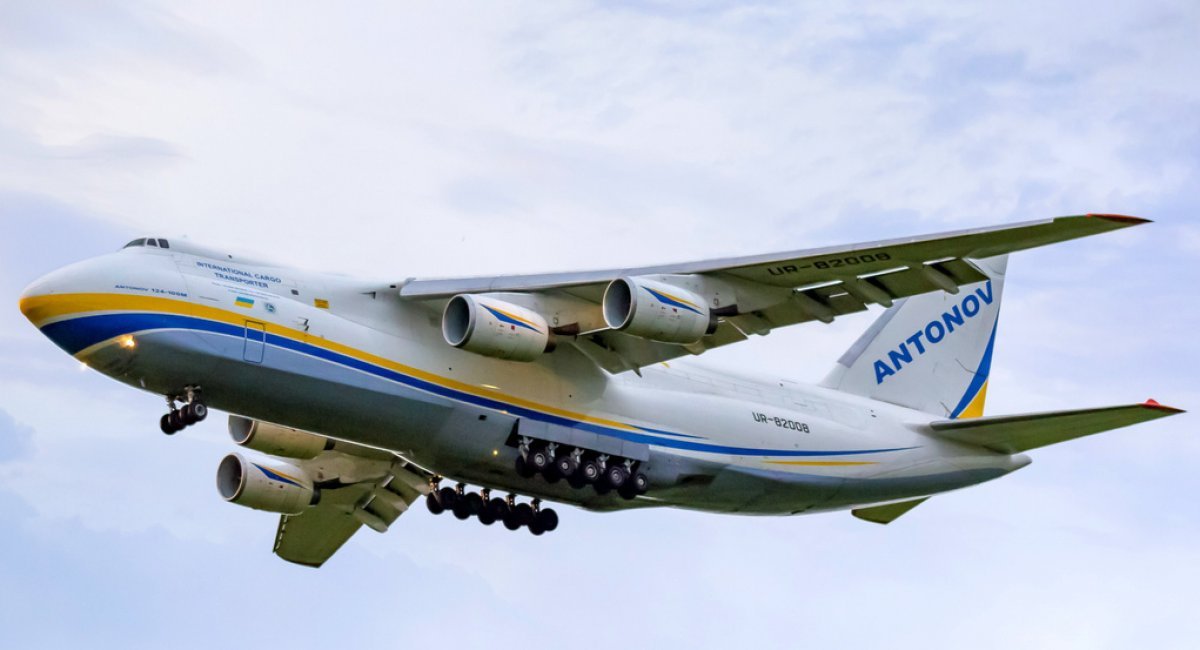
According to a Reuters report citing industry sources and regulatory filings, Antonov Airlines was contracted to transport A350 components for Airbus, Boeing 767 fuselage sections, and components for the Boeing 777F freighter.
Airbus chartered the An-124 after supply-chain problems emerged at Spirit AeroSystems' facility in Kinston, North Carolina, disrupting deliveries. To prevent further delays, the company decided to fly four shipsets of aircraft components instead of shipping them by sea, which is the normal logistics route.
Read more: Antonov Is Building New Infrastructure in Leipzig to Service Ukrainian An-124 Ruslan Aircraft
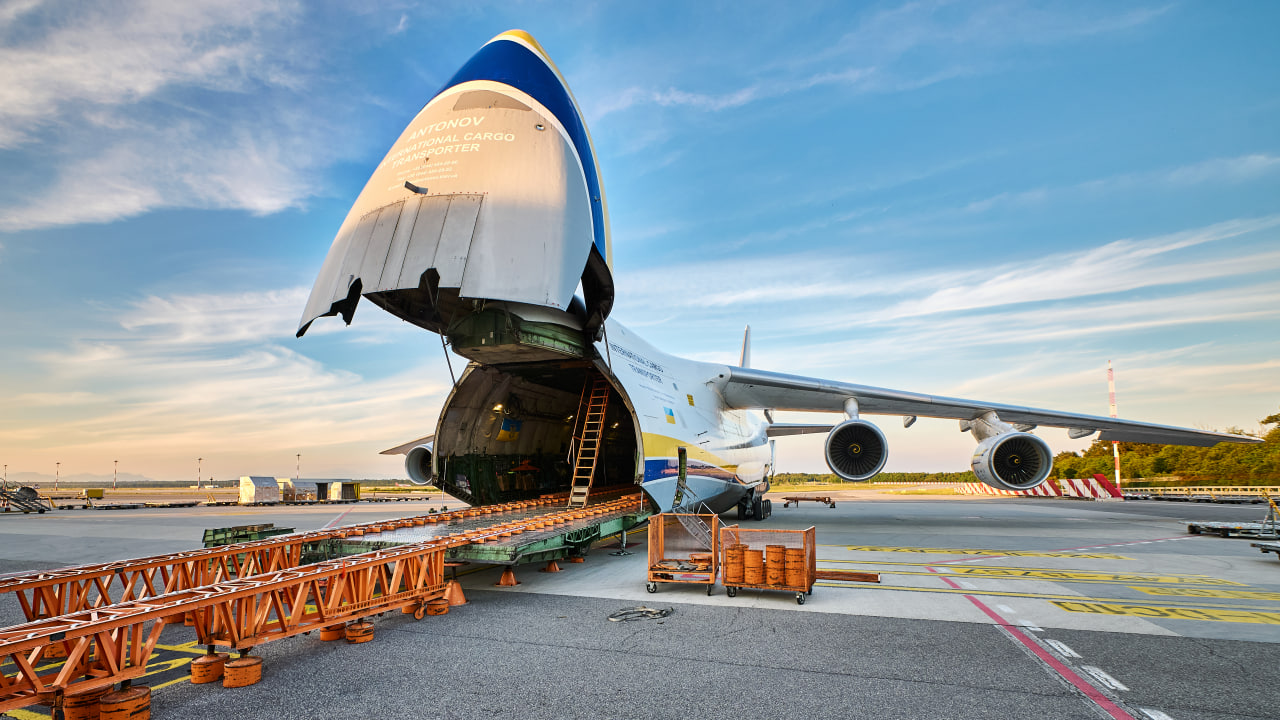
Boeing encountered a similar challenge. In June, the company used an An-124 Ruslan to transport two upper fuselage sections for the Boeing 767 from Daher Aerospace's facility in Florida to Boeing's assembly plant in Everett, Washington. The company also submitted a request for another flight of the same type.
These oversized structures are normally transported by ground. This time, however, Boeing opted for air transport because the fuselage sections were "critically needed for production," according to documents filed with the U.S. Department of Transportation.
From Defense Express's perspective, the An-124 effectively served as an emergency logistics solution, allowing exceptionally large cargo to be delivered far faster than conventional transport methods. In situations like these, transportation costs become far less important than the potential consequences of delayed deliveries, including production slowdowns or even assembly-line stoppages.
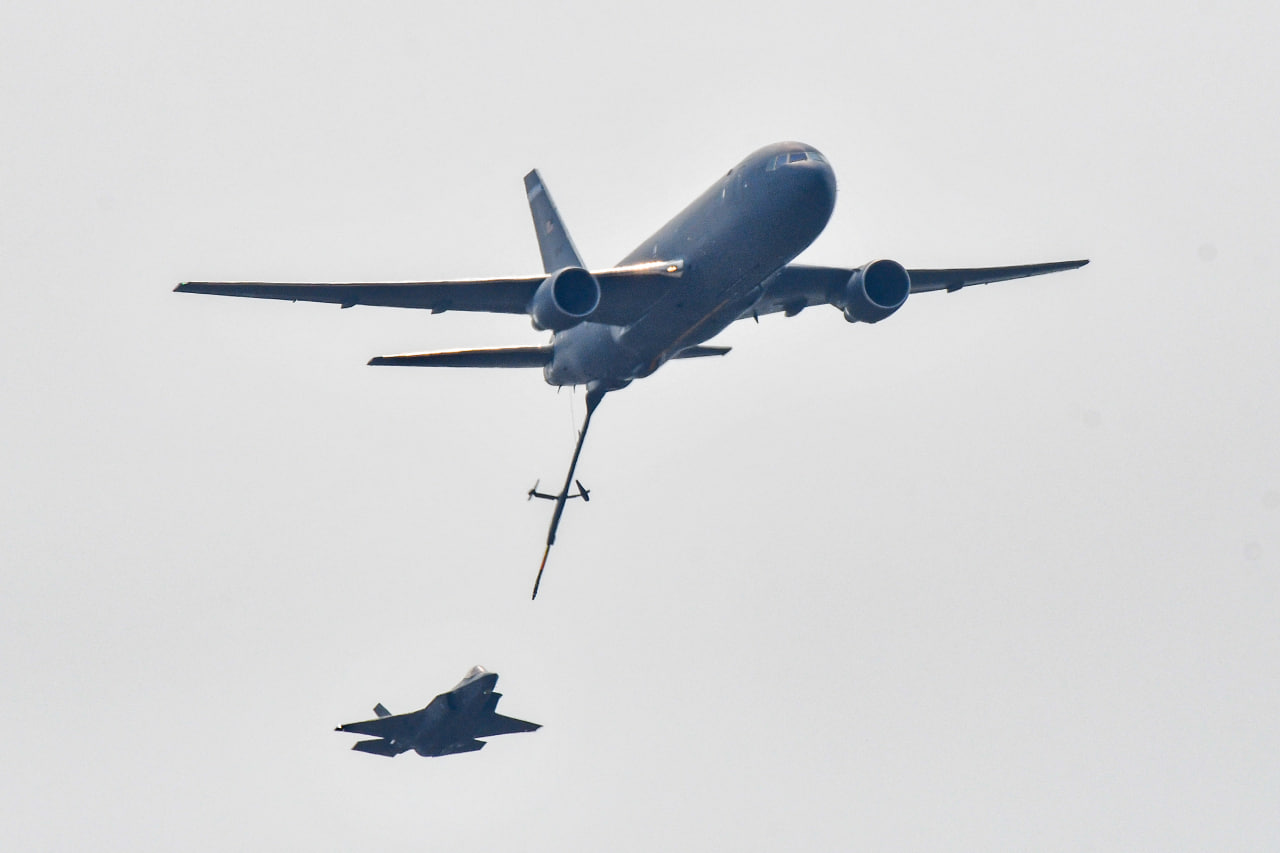
Although the Boeing 767 is no longer manufactured as a passenger aircraft, Boeing continues producing both the 767 Freighter and the KC-46A Pegasus aerial refueling tanker derived from the same platform. Given the well-documented production challenges affecting the KC-46A program, avoiding additional delays is clearly in Boeing's commercial interest.
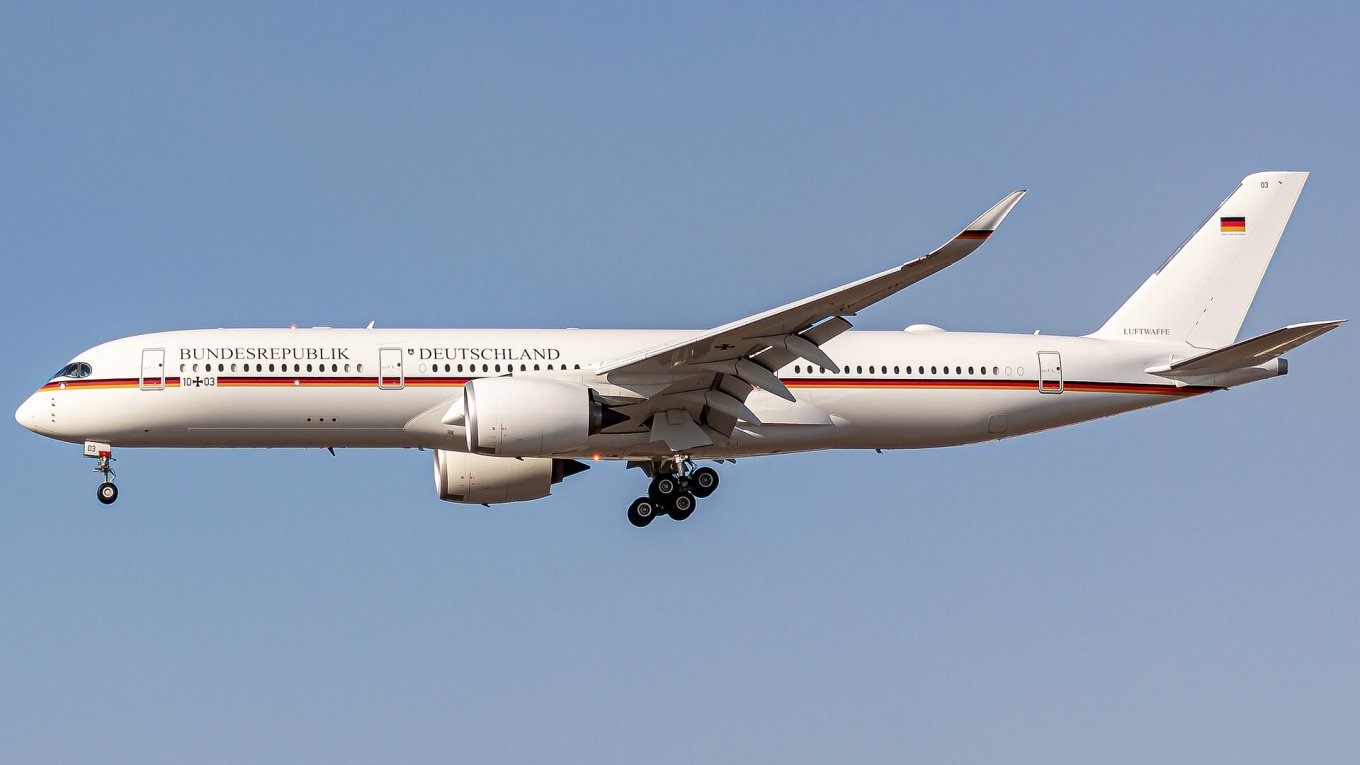
The Airbus A350 family, meanwhile, currently consists only of passenger aircraft. However, the type is also operated by the German Air Force as a VIP transport for senior government officials. Commercial aircraft manufacturing follows tightly synchronized production schedules, making even relatively small supply-chain disruptions potentially costly.
Overall, the recent operations demonstrated why Antonov Airlines' An-124 Ruslan remains one of the world's most valuable heavy transport aircraft. When conventional logistics cannot deliver critical oversized cargo quickly enough, the Ukrainian aircraft provides a unique capability that can keep global aerospace production moving.
Read more: NATO Buys 10 Saab GlobalEye AWACS to Replace 1982-Era E-3 Sentry, Effectively No Alternative After Boeing E-7 Program Hit Point of No Return