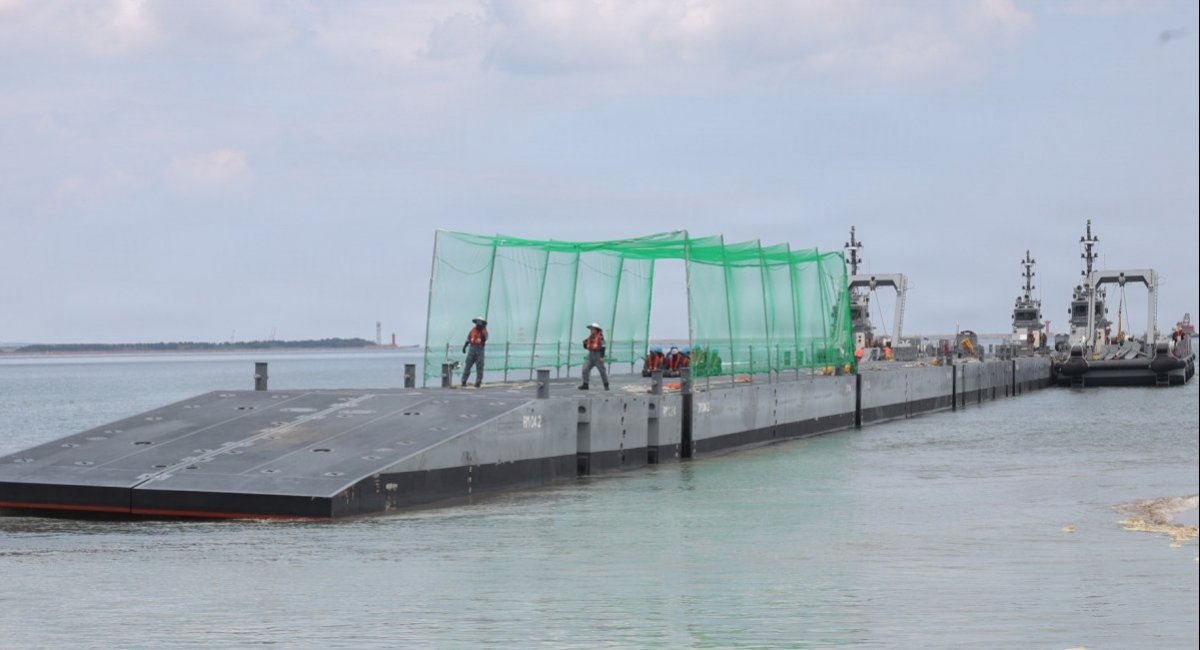
South Korea continues to adapt solutions from the russia-Ukraine war to protect against strike UAVs. This time, during the 2026 Combined Joint Sustainment Training (CJST) with the U.S., anti-drone nets were deployed on a floating platform (Improved Navy Lighterage System) that carries out transportation from ship to shore.
Corresponding photos from by the U.S. Marine Corps were published on the official source U.S. Department of War. It is noted that the exercises were aimed at strengthening cooperation between the two countries and testing the ability of the South Korean military to conduct complex logistics operations. According to United States Forces Korea, the training also strengthened protection measures for sustainment nodes against threats such as hostile drone attacks.
Read more: Radical Solution: russian Forces Deploy Entire Anti-Drone Tunnels in Ukraine
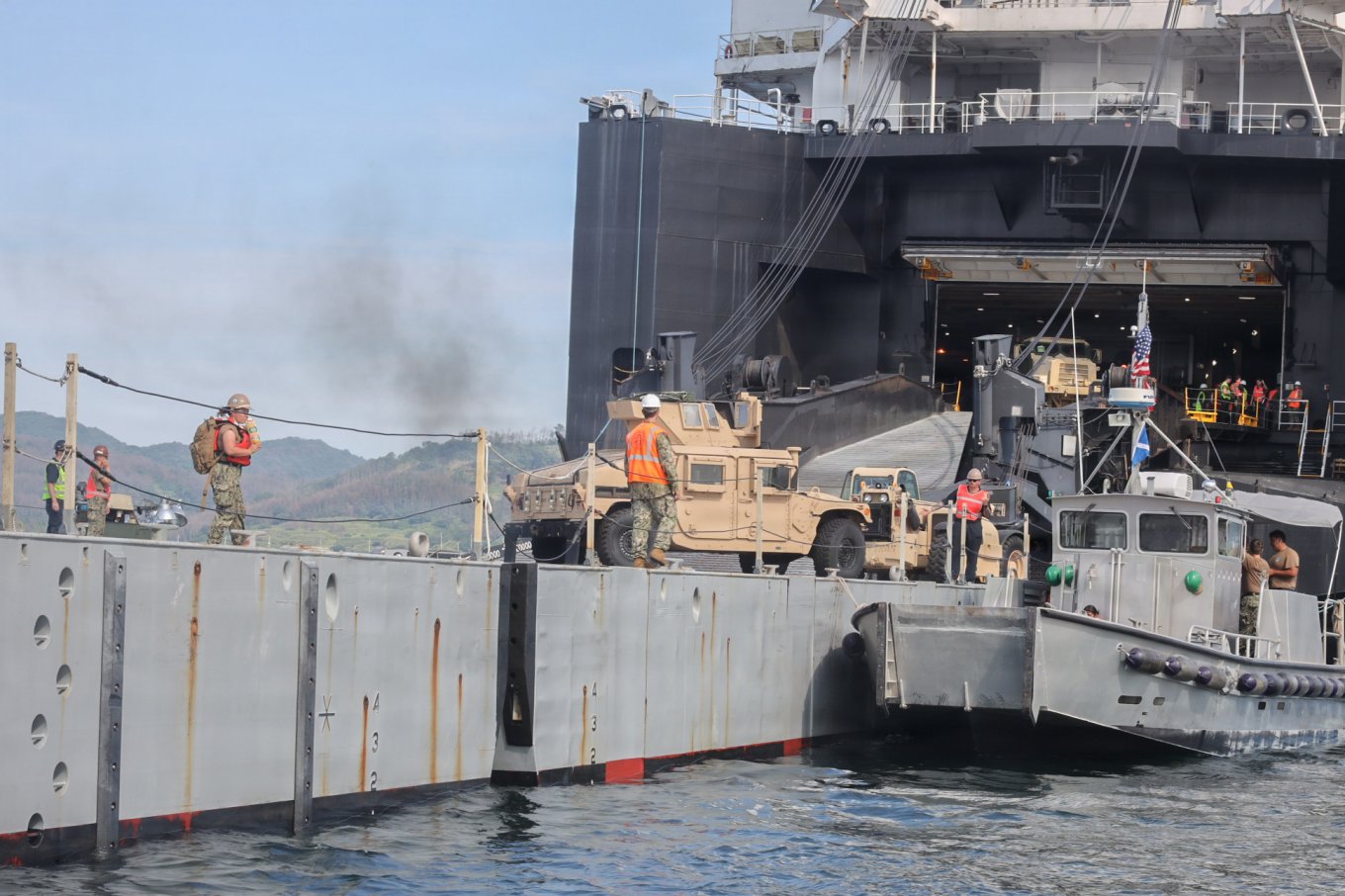
From Defense Express, we note that floating platforms and cargo, equipment or personnel on them are quite vulnerable to UAV strikes, including FPV drones, during an operation.
Thus, the deployment of anti-drone nets allows either to prevent the drone from reaching the object being protected and disable it, or to ensure the undermining of such a UAV’s warhead at a safe distance from the potential target. That is why, in the interests of the Defense Forces of Ukraine, anti-drone tunnels are being built of anti-drone nets to secure transport routes and ensure the stable operation of the supply line in the front-line zone.
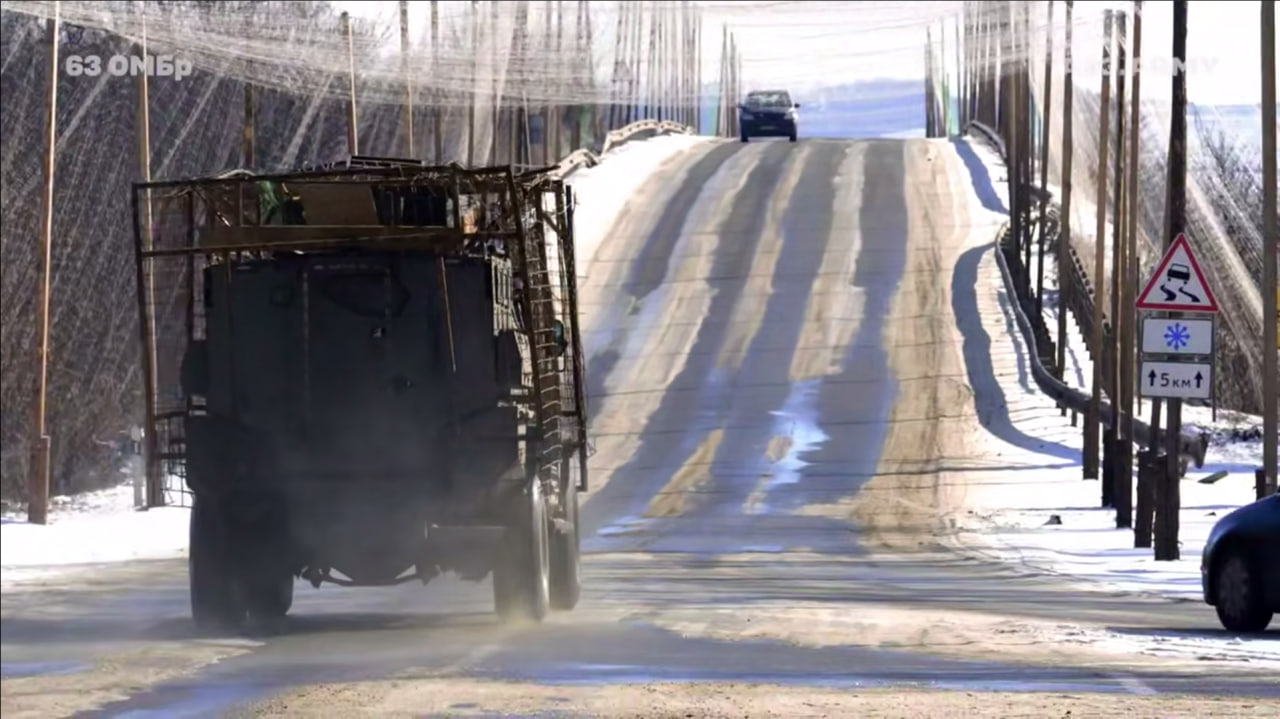
In fact, the South Korean structure is built on the same principle as the anti-drone tunnels in Ukraine. With this design, the sea platform is closed from above and from the sides, which allows it to be protected at least from ammunition dropped from UAV bombers, as well as from strikes from these directions.
However, the ends of the structure are open, so a drone can fly in there and hit the cargo and personnel on the platform. Therefore, it would be worth adding complex mesh elements that would eliminate this drawback and allow loading and unloading.
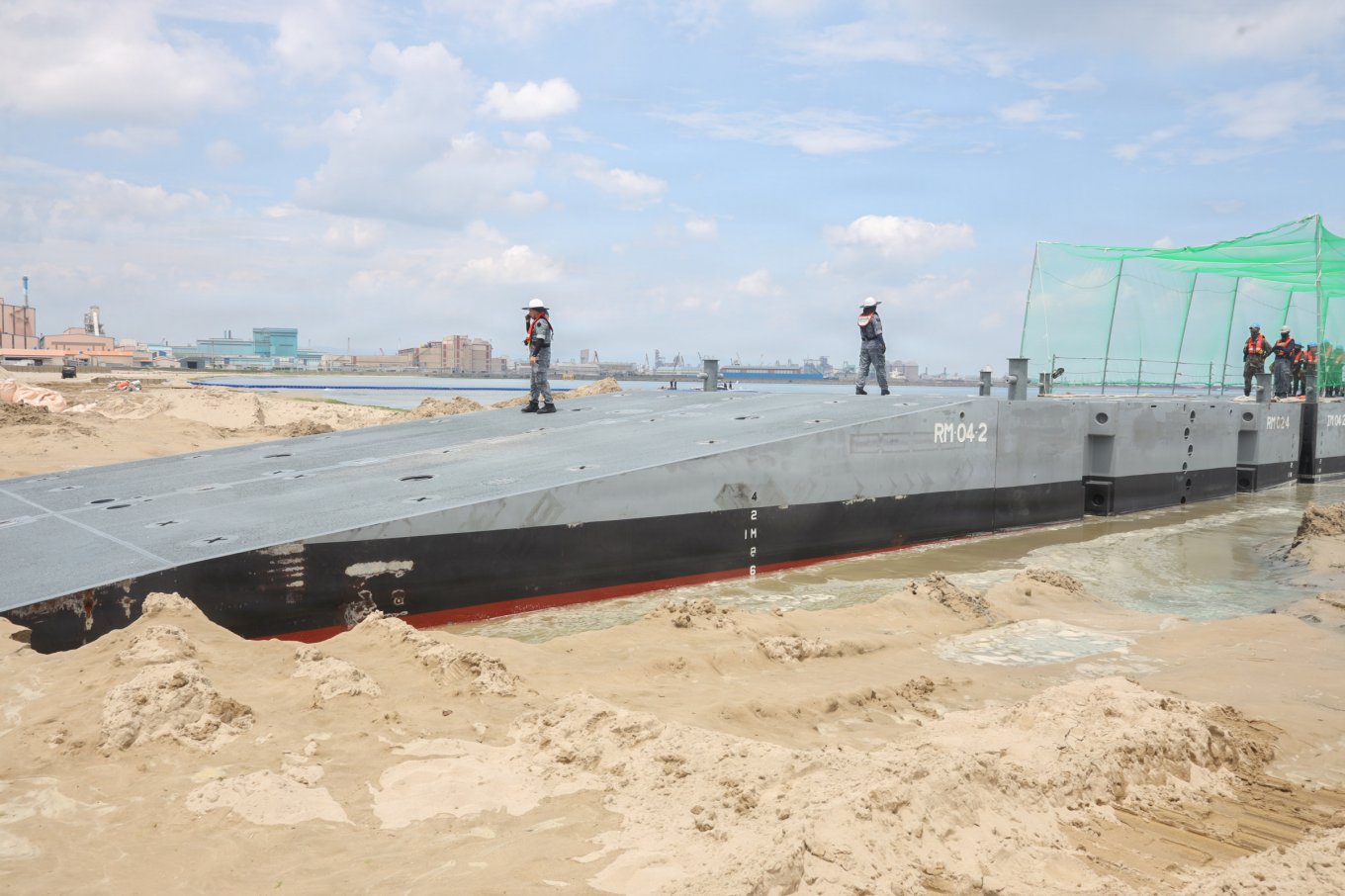
It should also be noted that such a structure could be seen only on one part of the floating platform, that is, the other segments remain completely open. Probably, during the exercises, the defense was deployed to its full length, but the corresponding photos were simply not taken or published.
Recall that earlier South Korea lined up eight Vulcan cannons to shoot 50 static FPV drones.
Defense Express also reported, that South Korea's Taurus-like cruise missile Cheonryong, designed to eliminate North Korean leadership in fortified underground bunkers, successfully completed new phase of testing.
Read more: russia Tests "Dragon" Drones Against Ukraine's Mesh Tunnels — How Effective Is This New Tactic? (Video)