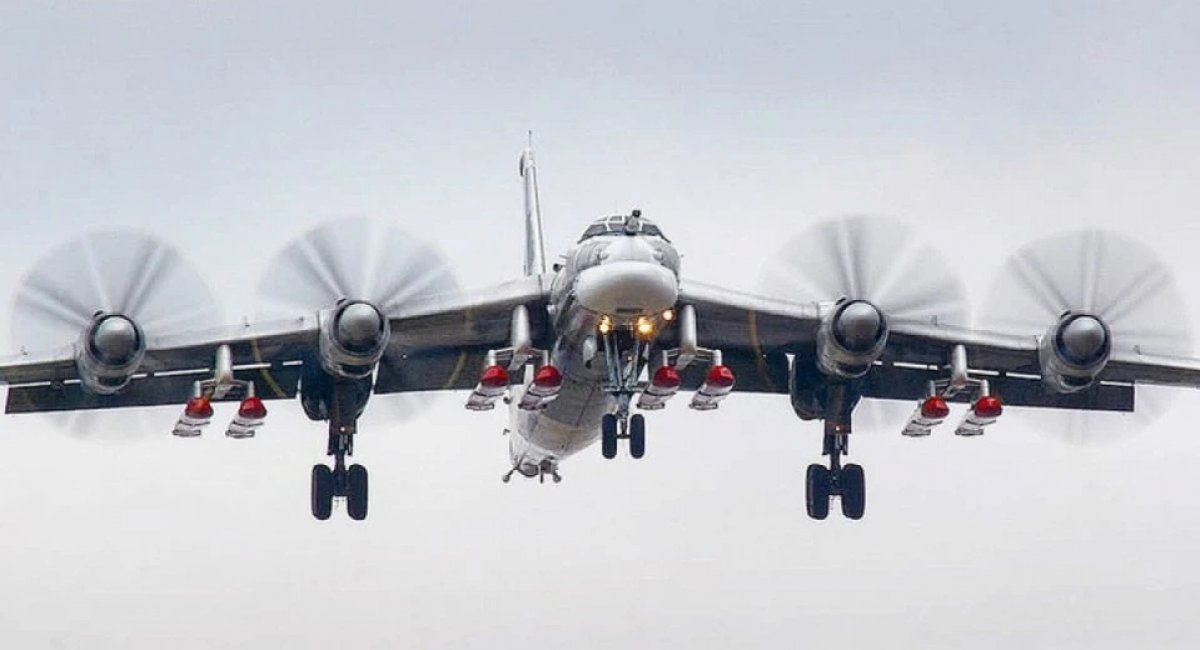
A Tu-95MS strategic bomber crashed on September 29 while taking off from the Ukrainka airbase in russia’s Amur region. The official cause of the crash has not yet been announced, but russian sources are reporting that three engines failed shortly after takeoff.
The exact circumstances of the incident also remain unknown. However, it is possible that the Tu-95MS was being relocated from Ukrainka airbase to another airfield in russia’s western or northwestern regions.
Read more: russian Tu-160M Costs 16 Billion Rubles—Why Was the Loss of About 10 Tu-95MSs Estimated at Only 2 Billion?
It cannot be ruled out that the flight was also part of military exercises and/or provocations that russian forces have recently been conducting with increased frequency near Japan, in the Sea of Japan and the Pacific Ocean.
At the time of writing, the fate of all seven crew members remains unclear, although reports of the deaths of the entire crew have already begun to emerge. Photos of what appear to be the crew members’ remains have also appeared online. Judging by the available images, they may have attempted to bail out of the aircraft using parachutes but apparently failed to do so before it crashed.
The crash of this russian Tu-95MS is significant because the last accident involving this type of strategic bomber occurred 11 years ago, in 2015. At that time, three engines also failed during flight. However, the crew managed to eject, and five of the seven crew members survived.
The last known crash of a Tu-95 involving the deaths of the entire crew occurred much earlier, in 1985, when a Tu-95RTs crashed in the South China Sea. In that case, the crash was also apparently caused by an engine failure.
To understand the significance of the latest Tu-95MS crash, it is important to consider how many of these bombers russia has left. Production of the aircraft ended long ago, and russia’s ability to maintain its fleet is becoming increasingly limited.
In late August this year, Ukraine’s Defense Intelligence (HUR) reported that russia had 38 combat-capable Tu-95MS and Tu-95MSM strategic bombers.
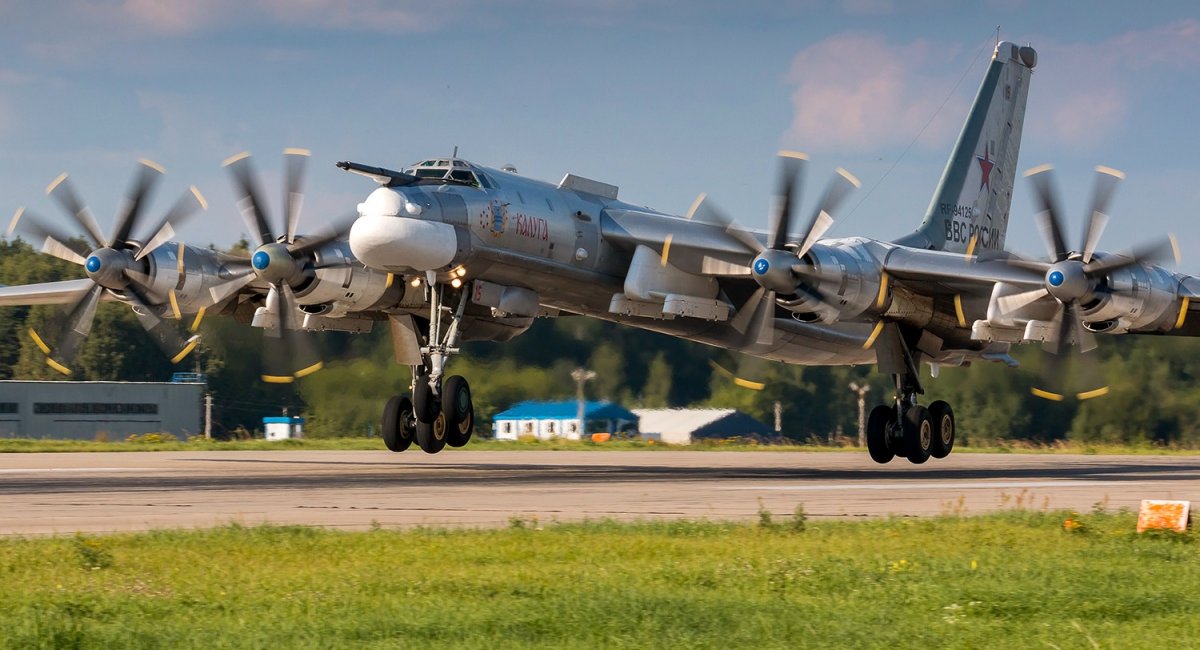
Then, on August 28, the Security Service of Ukraine (SSU) used a MICH 2000 attack drone to destroy one Tu-95MS at Engels airbase. If the Tu-95MS that crashed on September 29 is also included, russia should now have approximately 36 of these bombers remaining in service.
It is worth noting that russia’s Tu-22M3 long-range bombers crash much more frequently. Since 2022, russia may have lost up to 70% of the aircraft that were combat-capable at the beginning of the full-scale invasion.
Read more: SSU Drone Tore Off Part of Tu-95MS Wing: Can russia Actually Repair Strategic Bomber?