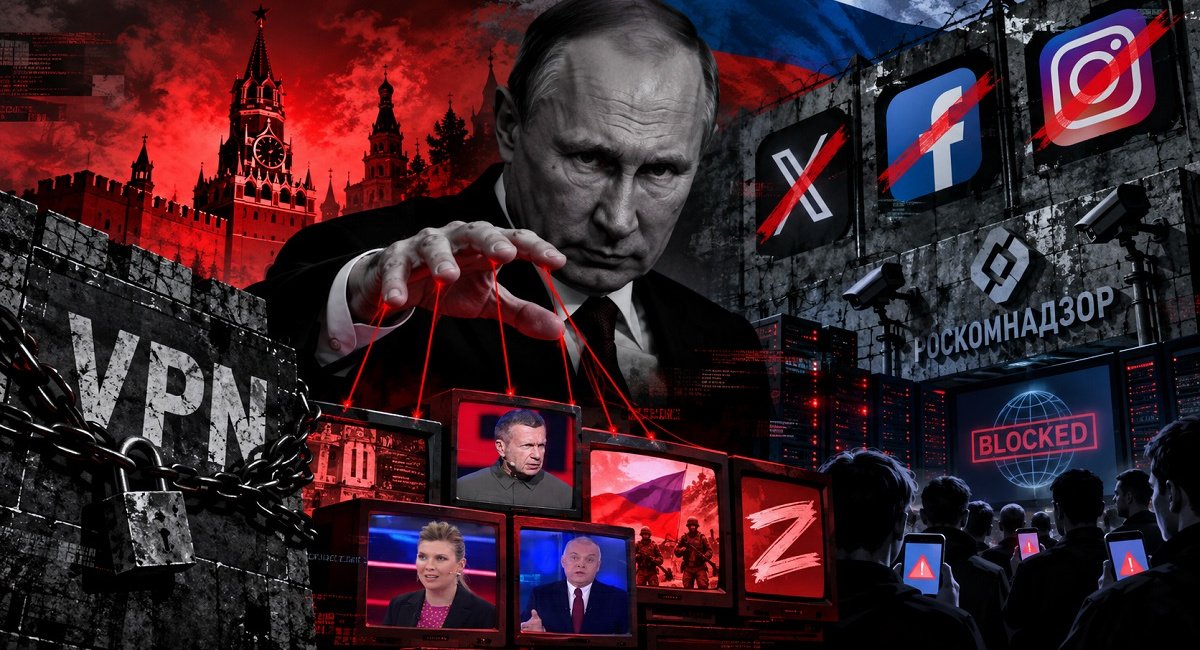
According to Ukraine’s Foreign Intelligence Service (SZRU), russia’s draft federal budget for 2027–2029 provides for a significant increase in spending on technical internet controls and state-run media.
In 2027, Moscow plans to allocate approximately $238 million to the Automated System for Ensuring Internet Security (ASBI), which operates under Roskomnadzor, russia’s media and telecommunications regulator. This is twice the amount allocated for the same year in the previous draft budget.
Read more: Why Does russia Need DF-3 Gadyuka Jet-Powered Interceptor Drone With 800 km Range, How Could It Actually Be Used?
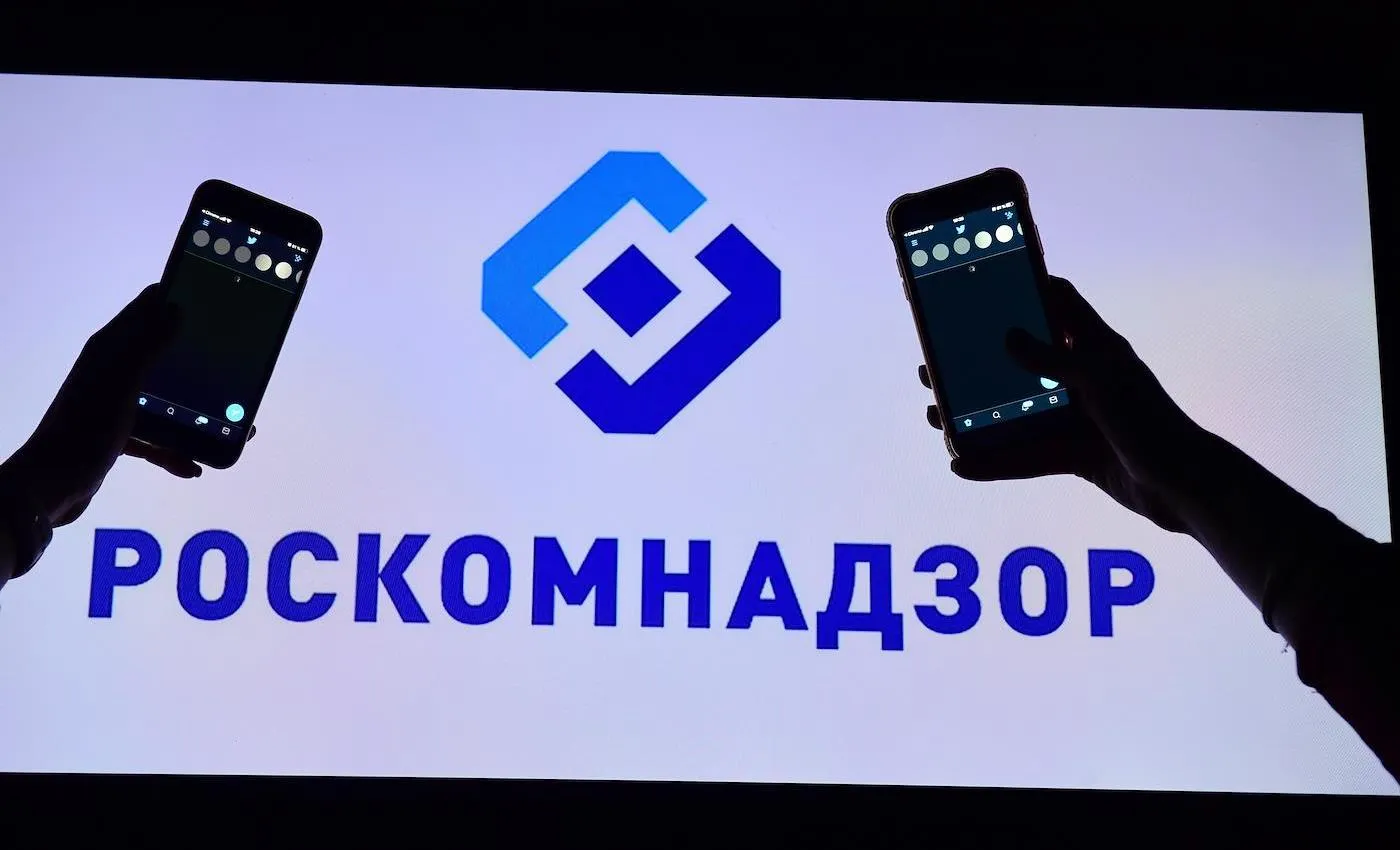
Total funding for the system is expected to reach nearly $719 million over 2027–2029. The stated objective is to modernize measures against alleged internet threats. According to the SZRU, russian authorities are also considering using artificial intelligence to detect encrypted traffic and automatically block non-standard VPN protocols in real time.
Restrictions on VPN services have already expanded. During the first week after russia’s State Duma elections, access to at least 10 VPN services was reportedly restricted.
The SZRU also reports that Roskomnadzor has set a target for the Main Radio Frequency Center, a federal state unitary enterprise, to block 92% of available VPN services by 2030. The relevant order was removed from public access after details of the document became public.
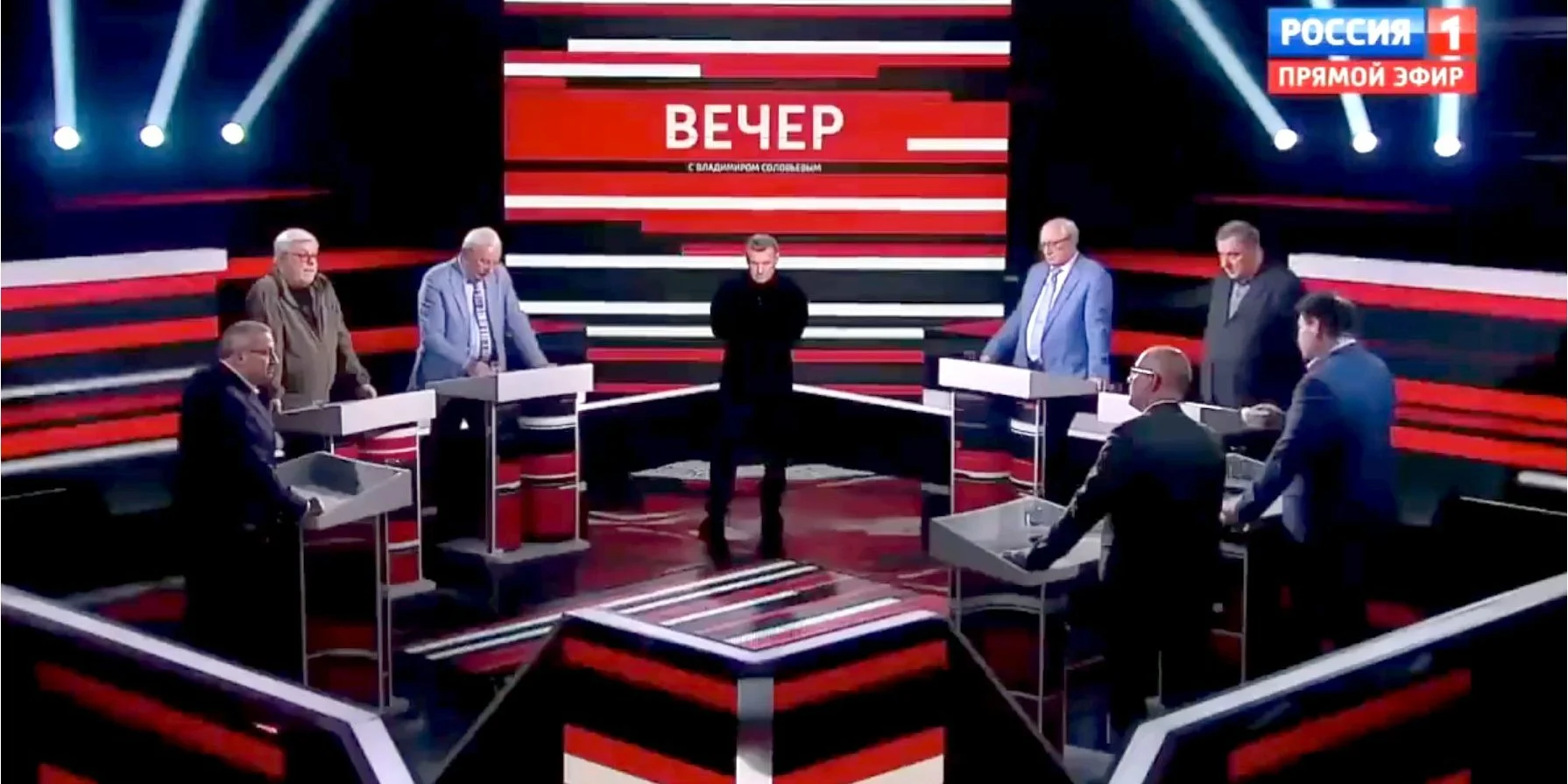
At the same time, the Kremlin is increasing financial support for state-run and pro-government media. The draft budget предусматривает approximately $1.74 billion for state media and information support in 2027, a 45% increase compared with the previous budget draft.
More than $153 million is also earmarked for media and social media campaigns designed to provide informational, explanatory, and expert and sociological support for initiatives proposed by russian president vladimir putin. Total funding for these activities over 2027–2029 is expected to reach $4.07 billion.
According to Ukraine’s Foreign Intelligence Service (SZRU), these budget plans reflect Moscow’s efforts to tighten control over russia’s information space by restricting access to alternative sources of information while increasing state funding for pro-government messaging.
Since launching its full-scale invasion of Ukraine in 2022, russia has blocked major social media platforms, including Facebook, Instagram, and X (formerly Twitter), as well as numerous independent media outlets and foreign news websites. russian authorities have also restricted access to messaging services.
Read more: russia Claims to Be World's Second-Largest Arms Exporter, but Its Exports Have Hit Historic Low - SZRU